 EN
EN
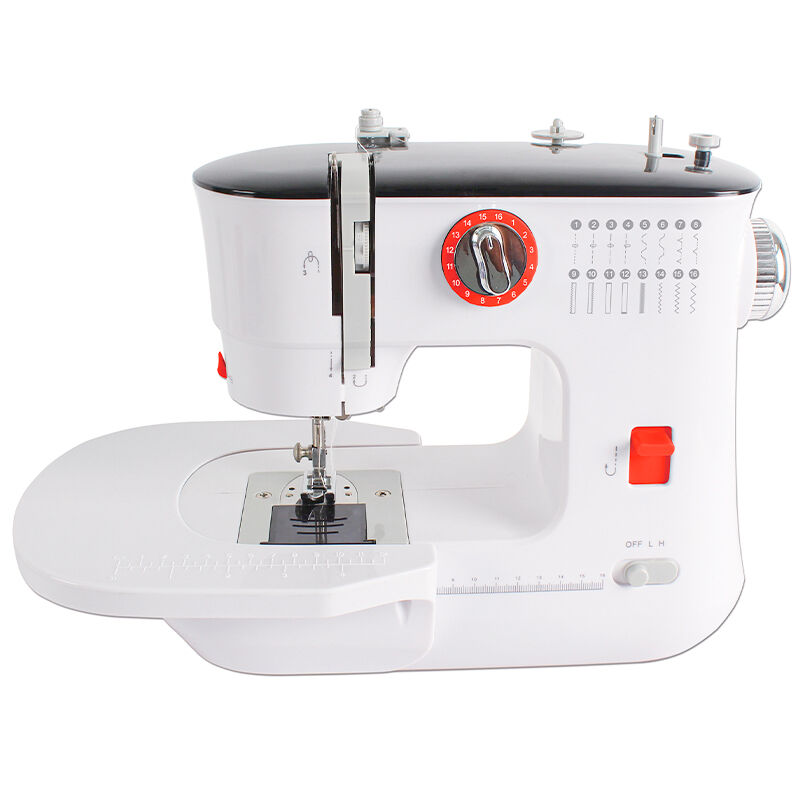
Understanding the Multi Function Electric Sewing Machine
How It Differs from Mechanical and Basic Electric Models
A multi function electric sewing machine represents a generational leap from mechanical and basic electric models. Mechanical machines rely entirely on manual dials and gears to adjust stitch length, width, and tension—and offer only 10–30 fixed stitch patterns. Every operation requires hands-on control. Basic electric models add a motor for consistent speed but retain manual stitch selection and lack memory or automation; they may include a simple dial for 10–50 stitches but cannot store custom settings.
In contrast, multi function electric sewing machines use an embedded microprocessor to manage hundreds of stitch patterns—typically 60 to 600+—and automate critical functions like needle positioning, thread tension calibration, and stitch-width adjustment via intuitive digital controls. This shift from physical knobs to responsive electronic interfaces drastically reduces operator fatigue and improves stitch consistency, making it ideal for sewers who prioritize precision and repeatability over manual intervention.
What 'Multi-Function' Really Means for Home and Small-Business Sewers
For home sewers and small-business operators, “multi-function” signifies true project agility: one machine replaces multiple specialized tools. Instead of toggling between straight-stitch, zigzag, and dedicated buttonhole machines, users select functions instantly via touchscreen or push-button interface. Core capabilities include one-step automatic buttonholes, built-in monogramming alphabets, fully adjustable stitch width and length for decorative and utility work, and programmable needle up/down positioning.
These features translate directly into time savings and operational efficiency. An auto needle threader cuts setup time—especially valuable for those with limited dexterity or vision challenges—while an auto thread cutter eliminates repetitive snipping between seams. For small businesses producing garments, accessories, or home décor, this versatility lowers capital investment in equipment and accelerates production changeovers. The result is a compact, adaptive workstation that responds intelligently to fabric type, seam complexity, and creative intent—minimizing manual recalibration and maximizing output quality.
Essential Features of a Multi Function Electric Sewing Machine
Extensive Stitch Library (60–600+ Built-In Stitches) with Adjustable Width/Length
The hallmark of a multi function electric sewing machine is its expansive, programmable stitch library—ranging from 60 to over 600 built-in options. This includes essential utility stitches (straight, zigzag, stretch, blind hem) and decorative variants (feather, scallop, satin, heirloom), all accessible without changing presser feet or attachments.
Crucially, stitch width and length are independently adjustable across nearly all patterns. That flexibility enables precise tuning: shortening stitch length tightens curves for embroidery-like detail on lightweight fabrics, while widening decorative stitches enhances visual impact on quilts or home décor. On heavy denim or layered canvas, increasing stitch length prevents puckering and maintains seam integrity. For both hobbyists constructing garments and small-business owners fulfilling custom orders, this breadth and control eliminate the need for separate specialty machines—turning one device into a full-featured, fabric-agnostic workshop.
Time-Saving Automation: Auto Thread Cutter, Needle Threader, and 1-Step Buttonholes
Automation transforms workflow efficiency. The automatic needle threader reliably guides thread through the needle eye with a single lever press—a boon for aging eyes, low-light conditions, or frequent thread changes. Even more impactful is the auto thread cutter: with one foot pedal press or button tap, it trims both needle and bobbin threads cleanly, saving seconds per seam and reducing cumulative hand strain during extended projects.
The one-step buttonhole function measures the button’s diameter and sews a fully reinforced, proportional buttonhole in a single, uninterrupted pass—no manual dial adjustments or repeated stops. When combined, these three features can reduce time spent on common tasks like blouse plackets, pillow closures, or children’s clothing by 20–30%. For small-business sewers aiming for consistent, repeatable results across batches, automation also minimizes human variation—ensuring uniformity in every finished piece. These conveniences elevate the multi function electric sewing machine beyond a hobby tool into a practical asset for semi-commercial use.
Real-World Performance: What a Multi Function Electric Sewing Machine Can Do
Quilting, Garment Construction, and Home Décor Projects—Tested Capabilities
Real-world testing confirms the multi function electric sewing machine’s adaptability across high-demand applications. In quilting, its generous throat space accommodates bulky quilt sandwiches, while programmable stitch patterns support both precise straight-line quilting and controlled free-motion work—and variable speed control allows smooth transitions at slow speeds for intricate designs.
For garment construction, it excels at technical tasks: inserting invisible zippers with consistent tension, sewing sharp darts without distortion, and finishing seams with stretch-friendly zigzag or mock-overlock stitches. Home décor projects—including curtain hems, tailored pillowcases, and light upholstery—benefit from the extended stitch library and automated features that ensure clean, durable seams across diverse materials.
Independent evaluations show consistent tension retention across fabric extremes—from slippery silk to dense denim—significantly reducing skipped stitches and thread breakage. The auto needle threader and auto thread cutter together cut preparatory and transitional time by up to 50%, freeing the sewer to focus on design and fit rather than machine management. This proven versatility makes the multi function electric sewing machine a dependable, all-in-one solution for sewers tackling everything from heirloom quilts to made-to-measure apparel and custom drapery.
Clarifying Terminology: Computerized vs. Electronic vs. Multi Function Electric Sewing Machine
Though often used interchangeably, “electronic,” “computerized,” and “multi function electric” describe distinct technical tiers. Electronic sewing machines use simple circuitry to power the motor and switch among 10–50 preset stitches—but lack programmable logic, memory, or automation.
Computerized models integrate a microprocessor capable of storing complex stitch algorithms, enabling precise, independent control over stitch width and length, as well as advanced functions like automatic needle positioning and speed-synchronized feed. A true multi function electric sewing machine builds on this foundation—not just by being computerized, but by emphasizing versatility through depth: a broad stitch library (60–600+), integrated automation (thread cutter, needle threader, one-step buttonholes), and intelligent adaptability across techniques like quilting, monogramming, and garment finishing. It is defined not merely by electrical operation or microprocessor use, but by its capacity to replace multiple single-purpose tools—setting it apart from basic electronic units designed solely for straightforward, linear stitching tasks.
Frequently Asked Questions
What is the main advantage of using a multi function electric sewing machine?
The key advantage is its automation and versatility, allowing users to perform multiple sewing tasks efficiently, such as quilting, garment construction, and adding decorative designs, while reducing manual interventions.
How does a multi function electric sewing machine save time?
Features like auto needle threading, thread cutting, and one-step buttonholes significantly cut down on setup and repetitive tasks, enabling faster completion of projects.
Can beginners use multi function electric sewing machines?
Yes, these machines are designed with user-friendly digital interfaces, making even complex sewing techniques accessible to beginners and experienced users alike.
What is the difference between electronic and computerized sewing machines?
Electronic sewing machines operate with basic circuitry for preset stitches, while computerized models include microprocessors that offer programmable functions and advanced automation, making them more versatile.
Are multi function electric sewing machines suitable for small businesses?
Absolutely, their adaptability and extensive features make them ideal for small businesses needing efficient production capabilities across various fabric types and projects.
Table of Contents
- Understanding the Multi Function Electric Sewing Machine
- Essential Features of a Multi Function Electric Sewing Machine
- Real-World Performance: What a Multi Function Electric Sewing Machine Can Do
- Clarifying Terminology: Computerized vs. Electronic vs. Multi Function Electric Sewing Machine
-
Frequently Asked Questions
- What is the main advantage of using a multi function electric sewing machine?
- How does a multi function electric sewing machine save time?
- Can beginners use multi function electric sewing machines?
- What is the difference between electronic and computerized sewing machines?
- Are multi function electric sewing machines suitable for small businesses?