
 EN
EN
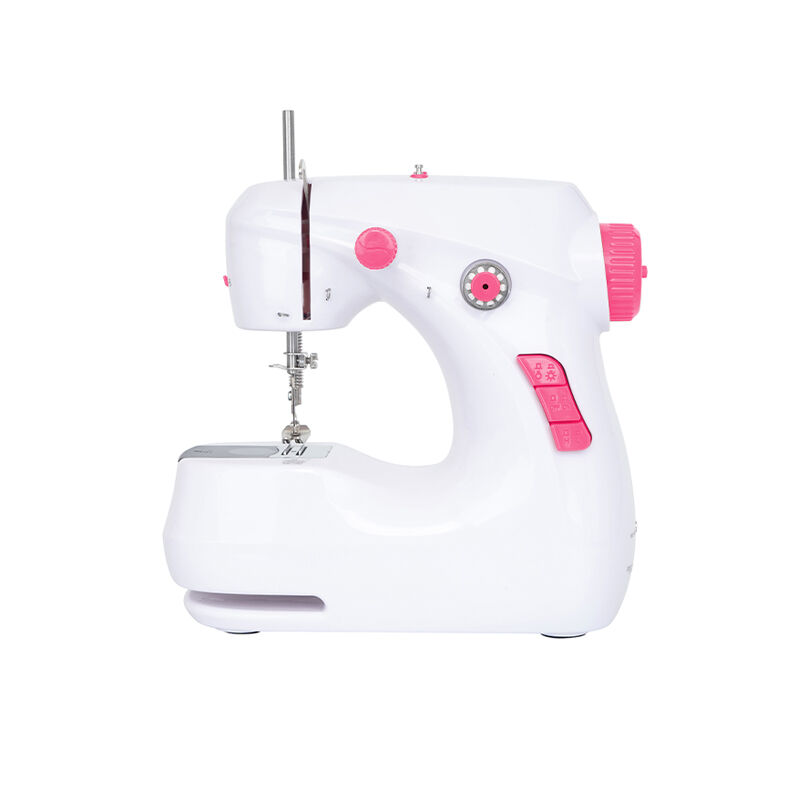
Mechanical vs. Computerized Electric Sewing Machines for DIY
How Core Operation Affects Control, Learning Curve, and Project Flexibility
The fundamental difference between mechanical and computerized electric sewing machines lies in how they execute and manage stitching functions—directly shaping the DIY experience. Mechanical machines rely on physical knobs, levers, and dials for stitch selection, tension control, and speed regulation. This tactile interface offers immediate feedback and often lowers the initial learning curve for beginners tackling basic tasks like mending or sewing simple tote bags. However, achieving repeatable precision—especially with complex patterns or multi-layered seams—requires consistent manual coordination and practice.
Computerized models replace physical controls with digital interfaces and programmable logic to automate stitch selection, tension adjustment, needle positioning, and even thread trimming. While navigating menus may feel unfamiliar at first, this automation significantly reduces reliance on fine motor skill for intricate work. According to the 2024 Sewing Tech Report, users completing quilting or garment construction tasks on computerized machines demonstrated 37% greater consistency in stitch formation and buttonhole symmetry compared to mechanical counterparts under matched conditions. For DIYers progressing beyond fundamentals—into tailored garments, heirloom quilting, or detailed soft-toy assembly—computerized systems raise the ceiling of achievable complexity without constant manual recalibration.
Build Quality and Long-Term Reliability in Non-Commercial DIY Use
Longevity in home-based DIY sewing depends less on operation type than on structural integrity and component-grade engineering. Mechanical machines are often praised for simplicity: fewer electronic parts, heavier metal frames, and robust gear trains that hold up well under steady use on medium-weight fabrics like cotton or canvas. Yet perceived ruggedness doesn’t guarantee superior real-world reliability—especially when comparing modern, purpose-built computerized units.
Leading manufacturers design today’s computerized machines with durable circuitry, sealed motors, and reinforced internal frames specifically for intermittent, variable-load home crafting—not industrial throughput. As confirmed by the Consumer Durability Index 2023, top-tier computerized models undergo accelerated lifecycle testing simulating five years of typical DIY usage, including frequent starts/stops, mixed fabric types, and varied stitch densities. Critical reliability factors—motor quality, frame rigidity (which minimizes vibration-induced stitch distortion), and metal (not plastic) construction in high-stress zones like the hook assembly—are now consistently prioritized across both categories. For a dedicated DIYer sewing several times weekly, a well-engineered computerized machine delivers longevity on par with mechanical equivalents—and often enhances long-term project outcomes through greater stitch fidelity and reduced operator fatigue.
Key Features That Matter Most for DIY Projects
Stitch Variety and Precision for Common DIY Tasks (Mending, Bags, Quilting, Soft Toys)
A versatile electric sewing machine for DIY needs more than straight and zigzag stitches—it requires intelligent variety aligned with common creative goals. Look for 15–30 built-in stitches, including stretch stitches (for knits), reinforced utility stitches (ideal for bag handles or seam reinforcements), and decorative options (to personalize soft toys or quilt borders). Precision is non-negotiable: inconsistent stitch formation causes puckering in quilt sandwich layers or weak seams in stuffed animals. Adjustable stitch length and width give you granular control—e.g., a dense satin stitch at 3.0 mm width creates strong, polished seams on canvas totes, while a narrow 1.5 mm zigzag cleanly finishes jersey edges without curling or stretching.
User-Friendly Controls: Foot Pedal Responsiveness, Manual Tension & Speed Adjustment
Intuitive, responsive controls reduce frustration and improve accuracy—especially during dynamic tasks. A sensitive foot pedal with smooth speed ramp-up allows precise modulation when pivoting around quilt corners or easing into delicate mending on thin fabrics. Manual tension dials remain essential: automatic tension systems frequently misjudge layered constructions like quilting cotton + batting or denim + interfacing. Test responsiveness by sewing stacked denim—the thread should feed evenly, with no looping or breaking, indicating reliable tension adjustability. Top-loading bobbins and clearly marked needle plates (with standard ⅝" seam guides) cut setup time for quick repairs or last-minute alterations. For weekend crafters and beginners, dial-based stitch selection remains more accessible than nested touchscreen menus.
Time-Saving Automation: One-Step Buttonholes, Built-in Stitches, and Start/Stop Functions
Automation isn’t about convenience alone—it’s about reproducible quality and expanded capability. One-step automatic buttonholes eliminate guesswork and hand-guided backstitching, delivering uniform sizing and professional finishes on shirts, coats, or plush toy closures. Built-in utility stitches—like blind hem, stretch blind hem, or elastic stitch—remove the need for technique memorization or trial-and-error adjustments. Start/stop buttons enable hands-free, pedal-free operation—critical for free-motion quilting, monogramming, or embroidering small toy features. Complementing these, drop feed dogs and adjustable presser foot pressure broaden fabric compatibility: lower pressure prevents distortion on silk or lightweight knits during automated stitch sequences, while higher pressure ensures stable feeding through thick upholstery layers.
Matching Electric Sewing Machines for DIY to Real-World Project Demands
Choosing the right electric sewing machine for DIY means aligning hardware capabilities with your actual creative workflow—not aspirational ones. Simple, repetitive tasks like mending, hemming, or constructing basic totes demand reliable basics: consistent straight stitching, easy bobbin access, and moderate motor torque. In contrast, ambitious projects—quilting king-size blankets, constructing tailored jackets, or sewing leather accessories—require deeper throat space, stronger motors, adjustable presser foot pressure, and advanced feed systems to manage bulk and prevent skipped stitches.
Fabric type dictates critical specs: lightweight silks benefit from ultra-fine needle penetration and low-pressure feet; heavy denims and canvas require high-torque motors and reinforced needle bars. Even studio logistics matter—compact models suit apartment crafters but may limit quilting capacity due to narrow throat space. Ultimately, match your machine’s stitch repertoire, throat depth, motor strength, and feed system not to generic “DIY” labels—but to the specific dimensions, materials, and techniques of your most frequent and meaningful projects.
Top Recommendations: Best Electric Sewing Machines for DIY by Skill Level and Budget
Beginner-Friendly Models Under $200 with Reliable Performance
For newcomers, the ideal budget electric sewing machine for DIY balances simplicity, durability, and foundational functionality. Prioritize models with a mechanical or streamlined computerized interface, automatic bobbin winding, and at least 8–15 utility stitches—including straight, zigzag, stretch, and one-step buttonhole. A free arm supports sleeve hems and bag straps; a drop-in bobbin system minimizes jams and speeds threading. Sturdy metal internal framing (not just a metal shell) ensures stability during everyday use. With a max speed of 700–800 stitches per minute, these machines deliver consistent, clean seams for mending, hemming, and simple bag-making—building confidence without feature overload. At this price point, reliability trumps bells and whistles: what matters is predictable performance, intuitive dials, and a frame that won’t flex under light-to-moderate loads.
Mid-Range Workhorses ($200–$400) for Quilting, Garment Making, and Small-Batch Crafting
This tier delivers the power, precision, and flexibility that serious DIYers need to grow beyond basics. Machines here typically feature stronger motors (up to 1,000 spm), wider throat space (6–7 inches), and 30–80 built-in stitches—including quilting motifs, stretch patterns, and decorative options with memory recall. Adjustable presser foot pressure and drop feed dogs support everything from slippery silk to thick canvas or faux leather. Speed control sliders and start/stop buttons enable hands-free operation—reducing fatigue during marathon quilting sessions or detailed embroidery. Superior needle penetration systems handle multiple layers without skipping, and enhanced feed mechanisms maintain even tension across bias-cut fabrics or bulky seams. Whether you’re piecing precision quilt blocks, altering vintage garments, or producing small-batch totes and soft toys, these machines offer the repeatability and resilience to produce professional-grade results—without stepping into industrial territory.
FAQ
What is the main difference between mechanical and computerized sewing machines?
The main difference lies in how they operate. Mechanical machines use manual knobs and dials for adjustments, while computerized models automate functions using digital controls and programmable settings, offering greater precision and versatility for complex projects.
Are computerized sewing machines suitable for beginners?
Yes, many computerized sewing machines are user-friendly, with automated features like tension adjustment and built-in stitches that can simplify complex tasks. However, some beginners may prefer mechanical machines for their straightforward operation.
Do computerized sewing machines last as long as mechanical ones?
Modern computerized sewing machines are designed with durable materials and undergo rigorous testing. When properly maintained, they can last as long as mechanical machines, with the added benefit of advanced features for intricate work.
What features should I look for in a sewing machine for DIY projects?
Key features include a variety of utility and decorative stitches, adjustable tension and stitch length, a free arm for small projects, one-step buttonholes, and automation options like start/stop buttons or programmable settings for consistency and ease of use.
Is a more expensive sewing machine always better?
Not necessarily. The best machine for you depends on your skill level, project requirements, and budget. Entry-level models are perfect for simple tasks, while mid-range machines cater to advanced techniques and heavier projects.
Table of Contents
- Mechanical vs. Computerized Electric Sewing Machines for DIY
- Key Features That Matter Most for DIY Projects
- Matching Electric Sewing Machines for DIY to Real-World Project Demands
- Top Recommendations: Best Electric Sewing Machines for DIY by Skill Level and Budget
-
FAQ
- What is the main difference between mechanical and computerized sewing machines?
- Are computerized sewing machines suitable for beginners?
- Do computerized sewing machines last as long as mechanical ones?
- What features should I look for in a sewing machine for DIY projects?
- Is a more expensive sewing machine always better?