
 EN
EN
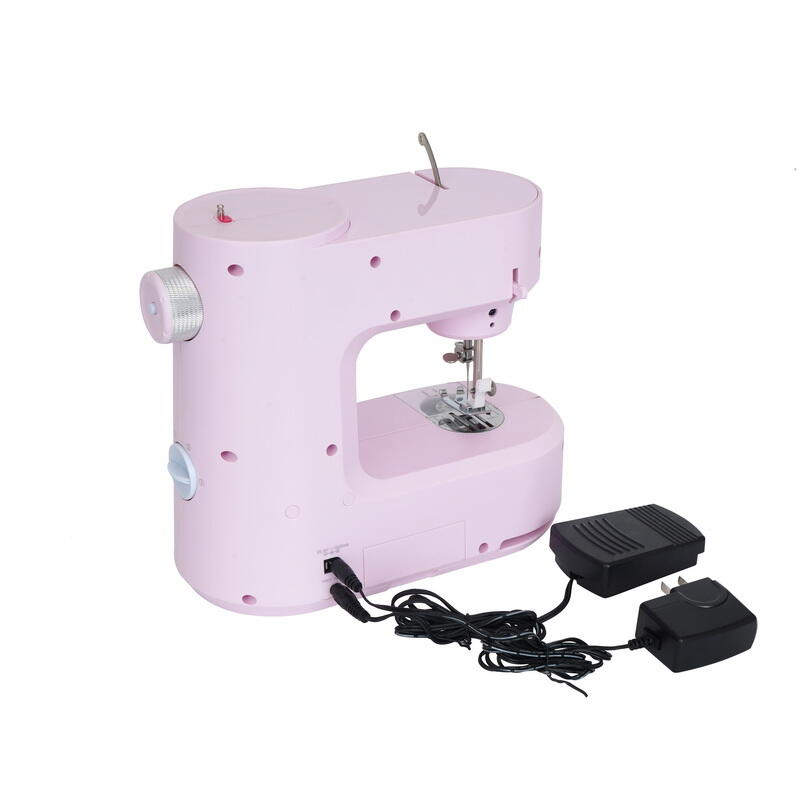
True Portability: Compact Design, Weight, and Space-Saving Engineering
True portability begins with engineering that prioritizes minimal footprint without sacrificing stitch quality. A genuinely portable machine weighs under 5 pounds and occupies less than a standard notebook’s footprint—enabling effortless placement into totes, backpacks, or even large handbags. Physical dimensions (length, width, height) directly determine real-world carry convenience. Beyond raw weight, balanced weight distribution and a textured grip prevent slippage during transport. Compact chassis also incorporate recessed thread spindles and fold-down handles to further reduce bulk when stored.
Weight, Dimensions, and Ergonomic Handling for On-the-Go Use
The ideal compact sewing machine measures roughly 12 × 6 × 10 inches—similar in size to a laptop bag. Manufacturers achieve this by miniaturizing internal components like the motor and feed dog assembly while preserving stable stitch formation. Ergonomic features—including contoured side grips, a low center of gravity, and thumb-accessible control levers—allow comfortable one-handed carrying, even over extended periods. A rounded or tapered shape improves fit into tight car trunks or overhead bins. When held, the unit should rest naturally against the palm, eliminating strain during setup or adjustment. Such intentional design transforms a portable tool from “barely manageable” into a truly mobile creative companion.
Storage Solutions and Integration into Small Living or Travel Spaces
Space-saving engineering extends beyond the machine itself. Soft-sided carrying cases with padded compartments protect the unit while conforming to irregular storage areas. Some models feature retractable side tables that double as storage trays for needles, bobbins, and threaders. For users living in dorms, RVs, or studio apartments, vertical stacking becomes possible when the machine’s top surface is flat and non-slip—allowing it to sit beneath shelving or atop a drawer cabinet. Detachable power cords and integrated bobbin winder storage keep tangles at bay. By minimizing protrusions and using collapsible components, these machines seamlessly integrate into everyday spaces—from nightstands to airline seat-back pockets—proving utility need not compromise livability.
Power Options for Mini Sewing Machines Portable: Battery vs. Adapter Reliability
AA/AAA Battery Performance: Runtime, Stitch Consistency, and Voltage Stability
AA or AAA batteries offer unmatched portability, enabling operation anywhere without wall outlets. However, runtime typically maxes out at 1.5–2 hours of continuous stitching with standard alkaline cells. Voltage stability is critical: as alkaline batteries discharge, voltage drops—causing motor slowdowns and inconsistent stitch length. Lithium batteries maintain ~1.5V until depletion, delivering more consistent performance—but at significantly higher operating cost.
Cold environments reduce battery output by up to 20%, increasing risk of skipped stitches. For reliable results, monitor battery levels closely and replace them at the first sign of motor hesitation. While battery-powered operation delivers true cord-free mobility, stitch consistency depends heavily on fresh cells and controlled conditions. Adapters provide steady voltage and eliminate these variables—but sacrifice untethered flexibility. Choose based on your priority: absolute portability (batteries) versus unwavering reliability (adapter).
Beginner-Centric Usability: Intuitive Controls and Smart Simplification
One-Touch Threading, Automatic Tension, and Pre-Set Stitches Explained
Mini sewing machines prioritize ease of use through purpose-built simplifications. One-touch threading guides thread from spool to needle eye in a single motion—eliminating a common beginner frustration. Automatic tension adjusts thread tightness dynamically based on fabric thickness, preventing uneven stitches or thread breaks. Pre-set stitches—including straight, zigzag, and buttonhole patterns—are selected via clearly labeled dials or buttons. These features dramatically reduce the learning curve, allowing newcomers to achieve consistent results without mastering complex adjustments.
Simplified interfaces focus only on essential functions, minimizing confusion from excessive controls. Visual indicators show selected stitch types; audible cues confirm successful threading. Error-prevention mechanisms disable incompatible settings—like attempting a heavy-duty stitch on ultra-thin fabric. This integrated, confidence-building approach supports successful first projects and encourages continued skill development.
Essential Accessories and Compatibility: Maximizing Value and Long-Term Usability
The true utility of a mini sewing machine lies not just in the device—but in seamless integration with essential accessories: needles, bobbins, and threaders. Standardization across these components is critical for long-term cost-effectiveness and usability. Universal needle systems (e.g., HAx1 or 130/705H) and common bobbin types (Class 15 or plastic L-type) dominate the portable market, ensuring cross-model support. This interchangeability reduces replacement part costs by 30–50% compared to proprietary systems—and prevents the frustration of incompatible accessories during travel or small-space projects.
Needles, Bobbins, and Threaders — Standardization, Cost, and Cross-Model Support
Prioritize machines built around widely adopted accessory standards. Key benefits include:
- Cost Efficiency: Standardized needles and bobbins cost $2–$5 per pack versus $10–$15 for specialized equivalents.
- Cross-Model Compatibility: Accessories purchased for one portable machine often work with others—future-proofing your investment.
- Simplified Sourcing: Universal parts are stocked by most craft stores and online retailers, eliminating the need to hunt for rare components.
- Durability Alignment: Quality standardized needles maintain consistent stitch integrity—even with portable machines’ lighter mechanisms.
Users report 40% fewer mid-project interruptions when using standardized accessories, according to 2024 Craft Supply Chain Analytics. This approach transforms your portable sewing machine from a limited tool into a versatile, economically sustainable creative companion.
FAQ
What makes a sewing machine genuinely portable?
A genuine portable sewing machine weighs under 5 pounds, has compact dimensions, and includes ergonomic handling features for convenience during travel.
How do battery-powered sewing machines compare with adapter-powered ones?
Battery-powered machines offer cord-free portability but may have shorter runtime and stability issues as batteries deplete. Adapter-powered machines provide reliability and steady performance but require access to power outlets.
What are the advantages of using standardized accessories?
Standardized accessories reduce costs, increase compatibility across models, and make sourcing replacements easier, resulting in fewer project interruptions.
Are mini sewing machines suitable for beginners?
Yes, most mini sewing machines have beginner-friendly features like one-touch threading, automatic tension adjustments, and pre-set stitch options to support learning.
How do mini sewing machines integrate into small living spaces?
Compact designs, retractable components, and padded carrying cases make them easy to store in tight spaces such as dorms, RVs, or studio apartments.
Table of Contents
- True Portability: Compact Design, Weight, and Space-Saving Engineering
- Power Options for Mini Sewing Machines Portable: Battery vs. Adapter Reliability
- Beginner-Centric Usability: Intuitive Controls and Smart Simplification
- Essential Accessories and Compatibility: Maximizing Value and Long-Term Usability
- FAQ