
 EN
EN
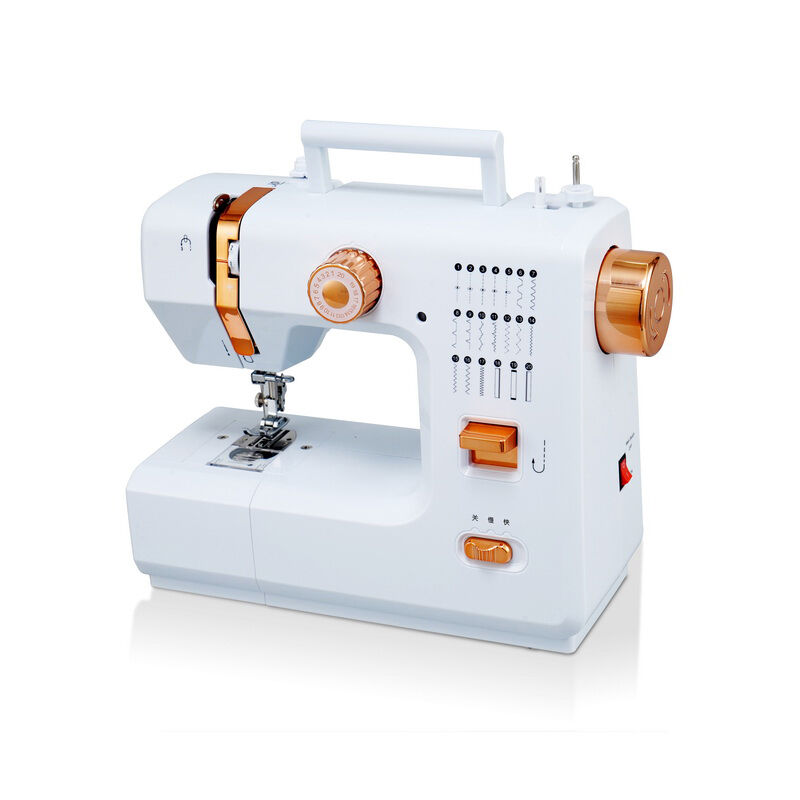
Why Industrial Buyers Are Prioritizing Portable Sewing Machine Suppliers
Industrial buyers increasingly prioritize portable sewing machine suppliers as strategic partners in enhancing manufacturing agility. The shift toward decentralized production demands equipment that eliminates workflow disruptions—portable units enable on-site repairs in automotive plants during line shifts and allow aerospace teams to execute compliant fabric repairs without removing components from hangars. This mobility directly translates to 43% less equipment downtime, according to recent operational analyses—addressing a core pain point in capital-intensive industries.
Beyond mobility, modern portable models deliver precision comparable to stationary industrial machines, with torque-controlled motors maintaining stitch consistency even on uneven surfaces like aircraft interiors or medical drape assemblies. Suppliers offering IoT-enabled units strengthen this value proposition through remote diagnostics that predict maintenance needs before failures occur. Battery-electric portables have achieved a verified 68% reduction in energy use per unit (ISO 50001:2023), aligning with corporate sustainability mandates while lowering operational costs.
Leading suppliers further differentiate through material versatility—capable of handling everything from recycled PET upholstery to ballistic Kevlar reinforcements without tool changeovers. This multi-material capability supports circular economy initiatives and future-proofs investments against evolving material regulations. As manufacturers face pressure to reduce warehouse footprints and accelerate custom production runs, the combination of deployment flexibility, precision engineering, and sustainability credentials makes portable solutions indispensable for agile operations.
Key Industrial Applications Driving Demand for Portable Sewing Machines
Industrial buyers are increasingly turning to portable sewing machine suppliers for applications requiring on-location fabrication and repair. Two sectors—automotive upholstery and high-compliance industries like medical textiles and aerospace—are particularly driving this shift.
Automotive Upholstery: On-Site Repair and Just-in-Time Trim Assembly
Automotive assembly lines and service centers benefit from the agility of portable sewing machines. Technicians can perform on-site repairs to seat covers, headliners, and carpets without removing components, reducing downtime. For just-in-time trim assembly, compact units integrate seamlessly into lean production cells—cutting logistics waste and enabling rapid style changes, a critical advantage for custom vehicle interiors. Durable, high-speed models tailored for leather and heavy fabrics make portable sewing machine suppliers essential partners for manufacturers aiming to boost productivity and flexibility.
Medical Textiles and Aerospace Interiors: Precision Field Repairs Under Compliance Standards
In medical and aerospace environments, precision and compliance are non-negotiable. Portable sewing machines enable field repairs of surgical drapes, instrument covers, and aircraft seat cushions while meeting strict hygiene and safety standards—including FAA AC 25.853 and ISO 13485 requirements. Programmable stitch patterns and integrated material guides help operators achieve consistent seam quality. For aerospace, the ability to stitch fire-resistant fabrics like ballistic Kevlar on-site eliminates the need to ship components to remote repair hubs—reducing turnaround times and supporting high uptime in mission-critical operations. Suppliers with deep regulatory expertise become strategic assets in these highly controlled sectors.
What Sets Leading Portable Sewing Machine Suppliers Apart in B2B Partnerships
Embedded Support Models: From Equipment Sales to Workflow Integration
Top-tier portable sewing machine suppliers recognize that industrial success requires more than equipment transactions—it demands integrated workflow solutions. They deploy technical specialists directly to production floors to analyze operational bottlenecks and tailor machine configurations to specific material handling challenges. This embedded approach transforms traditional vendor relationships into strategic partnerships: joint process mapping has identified efficiency gains of 15–22% in upholstery assembly lines, while standardized changeover procedures reduce setup waste by 37%. The value shifts decisively from machinery specs to throughput optimization.
IoT-Enabled Remote Diagnostics and Predictive Maintenance for High-Uptime Operations
Forward-thinking suppliers integrate IoT sensors that monitor 18+ performance parameters—from needle deflection forces to thread tension consistency—transmitting real-time data to secure cloud platforms. This enables predictive maintenance alerts before failures occur, reducing unplanned downtime by up to 68%. Remote diagnostics portals allow technicians to troubleshoot 83% of issues without onsite visits, while usage analytics identify operator training gaps. Such capabilities transform portable sewing machines from standalone tools into networked productivity assets—ensuring compliance-critical operations like aerospace interior repairs maintain 99.4% scheduled uptime.
Sustainability and Versatility: The Next Frontier for Portable Sewing Machine Suppliers
Battery-Electric Portables Cutting Energy Use by 68% (ISO 50001 Verified)
Battery-electric portable sewing machines now deliver verified 68% energy savings versus conventional units (ISO 50001:2023). These cordless systems eliminate generator dependency during field operations while sustaining industrial-grade stitching performance—even under variable load conditions. Manufacturers report annual energy savings exceeding $5,200 per unit when transitioning from diesel-powered alternatives. The technology also supports renewable energy integration, enabling solar-charged operations in remote or off-grid locations.
Multi-Material Capability—From Recycled PET to Ballistic Kevlar—as a Core Differentiator
Progressive suppliers engineer universal systems capable of handling materials spanning recycled polyethylene terephthalate (rPET) fabrics to ballistic-grade Kevlar®—without manual reconfiguration. Advanced models feature automatic tension adjustment and intelligent needle positioning that adapt to fiber densities ranging from delicate 30D nylon to abrasion-resistant 1000D Cordura®. This capability reduces material-specific inventory by 43% while enabling seamless transitions between sustainable textiles and technical fabrics—directly supporting circular economy goals and regulatory readiness.
FAQ
Why are portable sewing machines important for industrial buyers?
Portable sewing machines offer on-site repair capabilities, reducing equipment downtime by 43%. They improve manufacturing agility, support compliance, and lower operational costs through energy and workflow efficiencies.
Which industries benefit the most from portable sewing machines?
Industries like automotive upholstery, medical textiles, and aerospace heavily benefit due to the demand for on-location repairs and compliance-compliant operations.
What features make leading portable sewing machine suppliers stand out?
Features like IoT-enabled diagnostics, predictive maintenance, embedded support models, and multi-material versatility set top vendors apart in B2B partnerships.
How are portable sewing machines contributing to sustainability?
Battery-electric models reduce energy usage by 68% (ISO 50001:2023 certified), while versatile systems accommodate recycled and technical materials, aligning with circular economy goals.
Table of Contents
- Why Industrial Buyers Are Prioritizing Portable Sewing Machine Suppliers
- Key Industrial Applications Driving Demand for Portable Sewing Machines
- What Sets Leading Portable Sewing Machine Suppliers Apart in B2B Partnerships
- Sustainability and Versatility: The Next Frontier for Portable Sewing Machine Suppliers
- FAQ