
 EN
EN
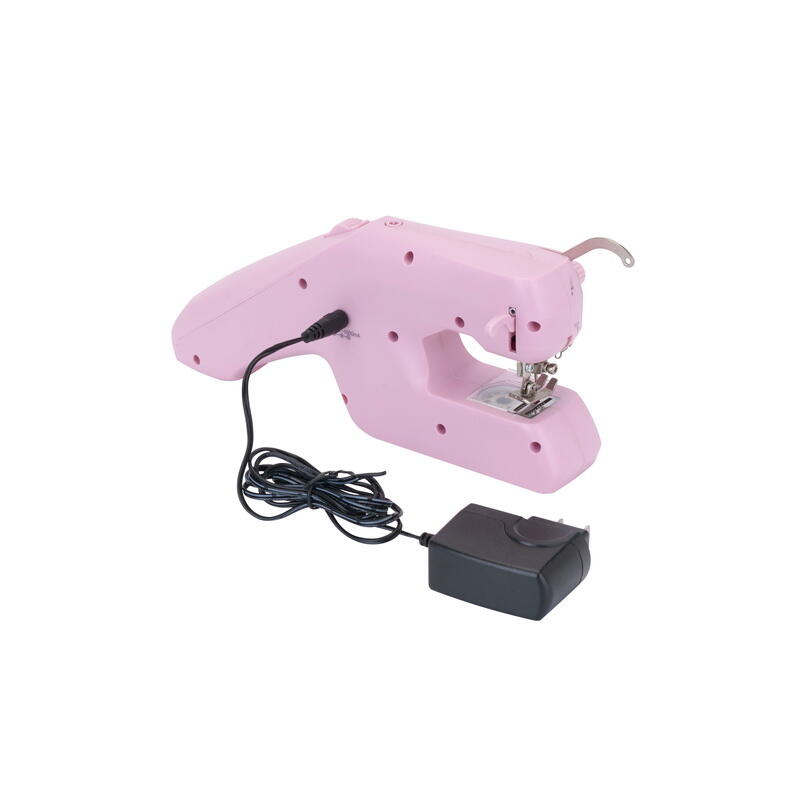
Evaluating Quality and Durability for Hand Sewing Machine Wholesale
Material Composition and Build Integrity in Manual Machines
When sourcing hand sewing machines wholesale, material composition is the strongest predictor of long-term reliability. Prioritize units built with heavy-duty metal frames—especially die-cast aluminum or steel—over plastic casings, which degrade under vibration and cause misalignment over time. Precision-machined feed dogs and shuttle hooks are essential for consistent stitch formation and minimizing thread breakage. Verify technical specifications for tensile strength of the bed plate and bearing quality in the main shaft, and insist on units assembled in ISO 9001-certified facilities—this certification signals adherence to standardized quality control protocols that reduce early failures and returns.
Longevity Benchmarks: Cycle Life Data from ISO 9001-Certified Factories
Durability in manual sewing machines is objectively measurable through cycle life testing. Units from ISO 9001-certified factories typically achieve a mean time between failures exceeding 200,000 stitches on standard fabrics—contingent on proper lubrication and robust needle bar construction. By contrast, machines with low-grade bushings often fail between 80,000 and 100,000 stitches. In small-scale production environments, high-cycle manual units regularly deliver 15–20 years of service life. When evaluating wholesale lots, request batch-specific test data—not generic claims—for needle penetration force and feed mechanism endurance.
| Component | Typical Lifespan (Stitches) | Failure Indicator |
|---|---|---|
| Metal Chassis | 500,000+ | No warping |
| Brass Bushings | 150,000–200,000 | Increased friction |
| Spring Tensioner | 200,000–300,000 | Inconsistent stitch tension |
Verifying Supplier Credibility in Hand Sewing Machine Wholesale
Certifications Matter: CE, RoHS, and OEM Authorization Verification
Third-party certifications are foundational indicators of supplier reliability. The CE mark confirms compliance with EU safety, health, and environmental requirements; RoHS certification verifies the absence of hazardous substances like lead and cadmium; and OEM authorization ensures legal rights to produce branded units—significantly lowering counterfeit risk. Always request current digital copies of certificates and validate them directly with issuing bodies. Suppliers maintaining at least two active certifications consistently demonstrate a 40% lower defect rate in initial quality audits, per industry benchmarking data.
Red Flags in Vetting: Unverified Audits, Inconsistent MOQs, and Documentation Gaps
Critical red flags include refusal to share third-party factory audit reports—or reliance on vague “internal checks”—which suggest insufficient process transparency. Inconsistent MOQ quotes across emails, calls, or platforms indicate poor inventory control or unstable production capacity. Similarly, missing or outdated documentation—such as inspection records, packing lists, or business licenses—correlates strongly with shipment delays and quality variances. To mitigate risk, conduct a pre-order sample run and request a live video factory walk-through. Reputable suppliers welcome this level of due diligence.
Understanding Cost Structure and Pricing Models in Hand Sewing Machine Wholesale
FOB vs. CIF: Decoding Total Landed Cost for EU and US Importers
Unit price alone is misleading in hand sewing machine wholesale. FOB (Free on Board) pricing excludes shipping, insurance, customs duties, and VAT—costs that add 12–25% to the landed total for EU and US importers. A CIF quote of $8–$12 per unit may reflect an FOB base price 15–18% lower, once logistics are stripped away. Always demand an itemized cost breakdown and compare full landed costs—not just headline figures—to avoid budget overruns and margin erosion.
Volume-Based Margins: How Tiered Order Quantities Unlock 15%–22% Wholesale Discounts
Tiered pricing rewards scale: 500 units typically qualify for a 10% discount; 1,000 units move to 15%; and orders of 2,000+ units commonly unlock 20–22% off the base price. These margins are especially valuable for importers consolidating demand or collaborating with regional partners. Before committing to container-sized orders, negotiate tier thresholds and secure a written, dated price schedule—this prevents post-order adjustments and strengthens margin predictability.
Assessing Logistics and After-Sales Support for Hand Sewing Machine Wholesale
Logistics efficiency and after-sales support directly affect operational uptime and total cost of ownership. Among all support elements, warranty coverage serves as the most telling differentiator.
Warranty Coverage Comparison: Local Service Networks vs. Manufacturer-Backed 18-Month Protection
Local service networks offer speed but often limit coverage to labor and basic consumables. A manufacturer-backed 18-month warranty—standard among reputable hand sewing machine suppliers—covers internal components, wear items, and critical drive mechanisms, significantly reducing out-of-pocket repair costs. According to MarketsandMarkets (2024), over 70% of textile fabricators rank service responsiveness and coverage depth as top-tier selection criteria. For high-volume operations, extended warranty plans can reduce long-term maintenance spend by 19–32%, as reported in the Textile Machinery Journal (2024). Buyers should assess both response SLAs and scope of coverage—not just warranty duration—before finalizing partnerships.
FAQs
What materials are best for durable hand sewing machines?
Heavy-duty metal frames such as die-cast aluminum or steel are ideal for durability. Avoid machines with plastic casings, as they degrade over time.
Why is ISO 9001 certification important?
ISO 9001 certification ensures standardized quality control protocols, reducing the risk of early failures and defects in hand sewing machines.
What is the typical lifespan of components in manual sewing machines?
Metal chassis can last 500,000+ stitches, brass bushings 150,000–200,000 stitches, and spring tensioners 200,000–300,000 stitches, depending on usage and maintenance.
What certifications should I look for in suppliers?
Look for CE, RoHS, and OEM authorization certifications to ensure compliance with safety, environmental requirements, and authenticity.
What is the difference between FOB and CIF pricing?
FOB pricing excludes shipping and other costs like VAT, while CIF pricing includes these expenses, providing a clearer view of the total landed cost.
How can I verify supplier reliability?
Audit reports, consistent MOQs, and updated documentation are key indicators of reliability. Live factory walk-throughs and pre-order sample runs can help verify the supplier's credibility.
Table of Contents
- Evaluating Quality and Durability for Hand Sewing Machine Wholesale
- Verifying Supplier Credibility in Hand Sewing Machine Wholesale
- Understanding Cost Structure and Pricing Models in Hand Sewing Machine Wholesale
- Assessing Logistics and After-Sales Support for Hand Sewing Machine Wholesale
-
FAQs
- What materials are best for durable hand sewing machines?
- Why is ISO 9001 certification important?
- What is the typical lifespan of components in manual sewing machines?
- What certifications should I look for in suppliers?
- What is the difference between FOB and CIF pricing?
- How can I verify supplier reliability?